The mold air test looks normal, but the room still smells musty
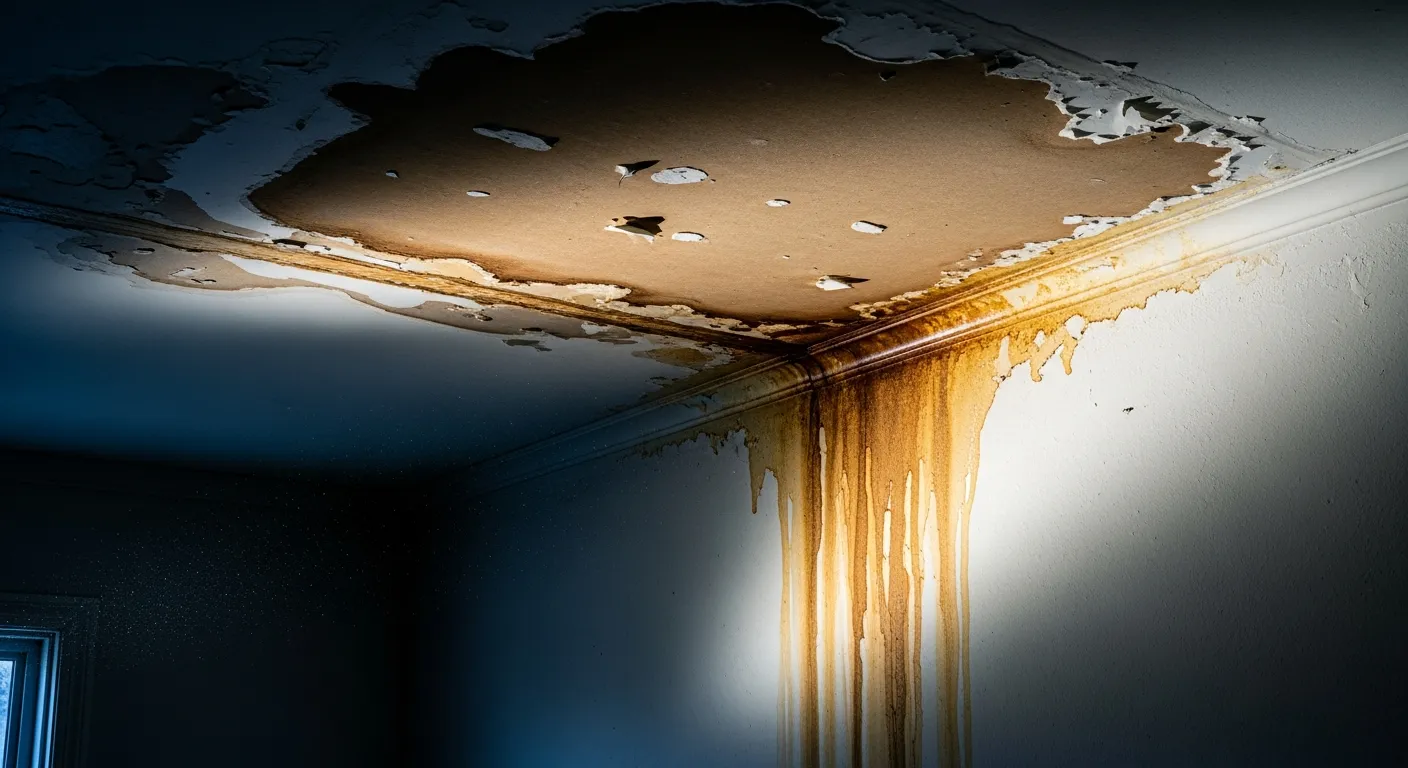
Short answer: A reassuring air-sample result is not a complete explanation for a persistent musty odor. Review it alongside the inspection observations, moisture findings, collection conditions and areas that could not be accessed. Do not treat one result as a whole-building or personal-health clearance.
“Normal” needs an explanation
Ask who used that word and what it means in the report. Does it describe a comparison between samples, a laboratory comment, or the inspector's interpretation? It should not be presented as an EPA-approved safe mold level. EPA states that federal limits for airborne mold have not been established.
A result answers a sampling question under particular conditions. It does not automatically resolve a complaint in a different room or an inaccessible area. Request the sampling locations and the report's stated limitations rather than relying on an isolated number.
Revisit the moisture history
Write down when the odor appears: after rain, during HVAC operation, after a shower, or when a room has been closed. Record the location, recent leaks and repairs. These are observations to share, not proof of a particular cause.
CDC identifies roof, window and plumbing leaks, flooding and damp building materials as conditions associated with mold growth. Its guidance emphasizes correcting the moisture problem. An odor alone does not establish a mold species, and an inspection cannot diagnose the cause of someone's symptoms.
Questions to ask before buying another test
- Which concern was the first sample designed to investigate?
- Which spaces and materials were inspected, and which were inaccessible?
- Were moisture observations recorded?
- What conditions or recent activities could affect interpretation?
- What would a new sample help decide that the previous one did not?
- Is there an unresolved leak or repair that needs attention first?
A second test should have a purpose. Neither repeated sampling nor an isolated reassuring number is a substitute for understanding the property conditions.
Do not open walls just to investigate an odor
Concealed investigations can involve building hazards, permission and a separate agreed scope. Ask an appropriate professional what access is needed and whether it is included; do not assume destructive investigation is part of an ordinary appointment.
Use our report-reading guide to organize your questions and hidden-mold signs article for related observations. For a rental, the documentation guide explains how to keep a record of the concern.
Sources: EPA sampling guidance; CDC mold overview. These support the sampling limitations and moisture discussion, not a diagnosis of any particular property. Consult a clinician for health concerns.
Sources and related reading
About the author
Mold X Editorial Desk
Mold X Inspectors. Mold X Inspectors is an independent mold inspection, testing, and indoor air quality firm headquartered in Glendale, California, serving all of Los Angeles County since 2018.
More from the Resource Center
All articlesAre home mold test kits worth it?
Understand what a home mold test kit can show, what it cannot prove, and when a moisture inspection is more useful than another sample.
Do you need mold testing when you can already see mold?
Visible mold often does not require sampling. Learn how moisture, cleanup scope and documentation needs affect the next step.
A Water Leak at Night: What to Do Now
A calm step-by-step guide to staying safe, stopping water, documenting damage, and arranging drying and mold inspection after an overnight leak.