— Standards & Authority
Operating to the standards that define the field.
IICRC
ACAC
EPA
OSHA
CMI
CMA
IEP
AIHA
Every Mold X engagement references and complies with the published standards above. Sample analysis is performed exclusively by AIHA-LAP accredited laboratories.
— Slow leaks, big problems
Kitchen mold rarely announces itself.
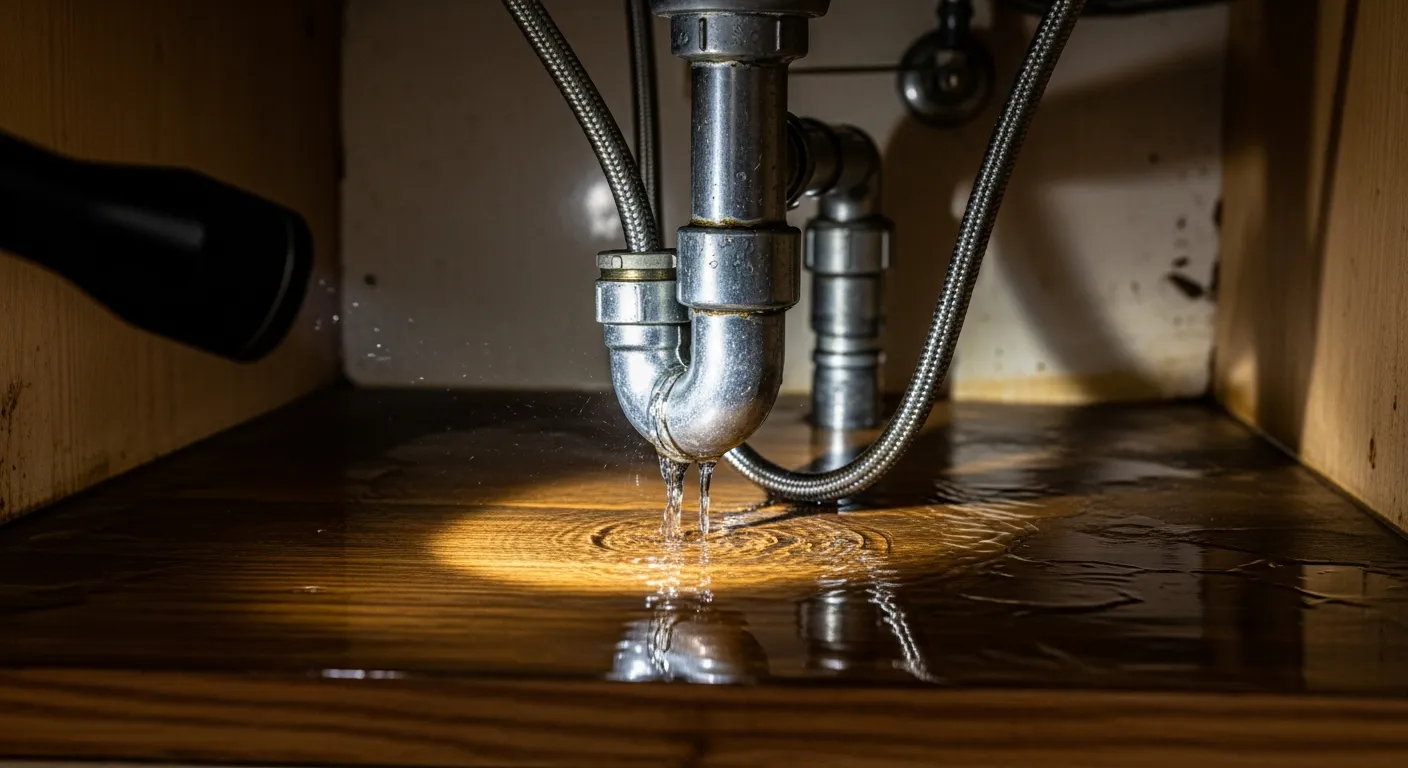
The kitchen has more concealed water connections than any other room — sink plumbing, dishwasher lines, refrigerator ice makers — and most of them leak slowly when they fail. A kitchen mold inspection checks every one of those points with moisture meters and thermal imaging before hidden growth becomes visible damage.
When readings justify it, we collect targeted air or surface samples for analysis by an AIHA-LAP accredited laboratory, and document everything in an independent written report — the moisture source, the extent, and what your plumber or contractor needs to fix.
Under-sink & plumbing checks
Supply lines, P-traps, garbage disposals, and drain connections checked with moisture meters for slow, hidden leaks.
Appliance leak detection
Dishwashers, refrigerators with ice makers, and their concealed water lines scanned for the slow leaks that feed hidden mold.
Cabinet & floor assessment
Base cabinets, toe kicks, and flooring evaluated with thermal imaging — where kitchen moisture damage hides longest.
Independent documentation
Moisture maps, thermal images, and accredited lab results in a written report you can hand to any plumber or contractor.
Kitchen mold questions, answered.