— Standards & Authority
Operating to the standards that define the field.
IICRC
ACAC
EPA
OSHA
CMI
CMA
IEP
AIHA
Every Mold X engagement references and complies with the published standards above. Sample analysis is performed exclusively by AIHA-LAP accredited laboratories.
— Why sample air
Air sampling adds context to an inspection.
Moisture conditions can occur inside wall cavities after a slow plumbing leak, above ceilings under a roof penetration, or inside HVAC plenums where condensation persists. A visual inspection may not reach every assembly. Air quality mold sampling adds a time-specific measurement of airborne particles at selected locations, alongside visual and moisture observations.
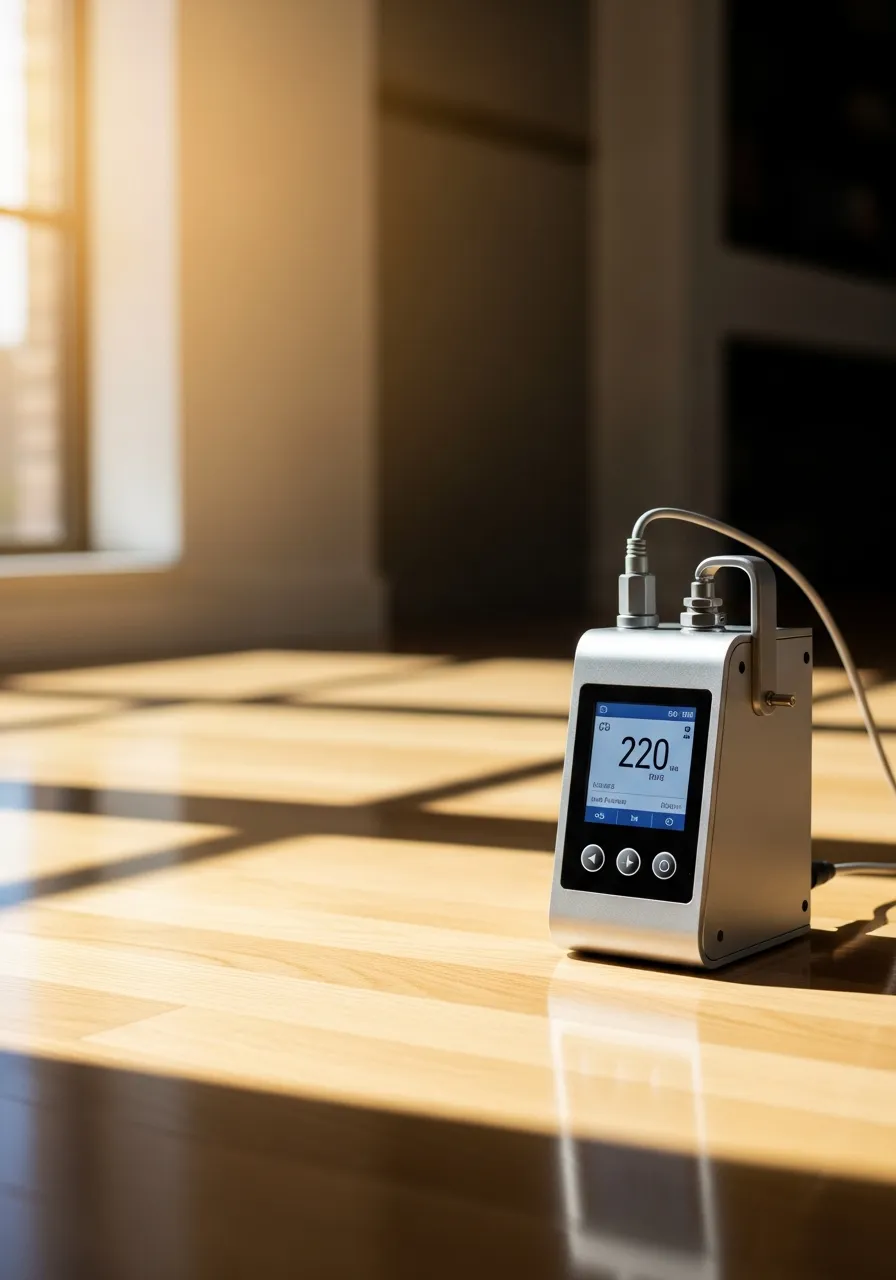
A calibrated pump draws a measured volume of air through a spore-trap cassette at a verified flow rate. The cassette travels under chain of custody to an AIHA-LAP accredited laboratory, where an analyst categorizes visible particles within the method's limits and reports concentrations for the submitted sample. A contemporaneous outdoor comparison sample can help place selected indoor results in context, but neither the comparison nor a raw count determines exposure, health effects, or conditions elsewhere in the building.
Indoor and outdoor results may differ for many reasons, including weather, HVAC operation, occupancy, and sampling conditions. A difference can help frame further environmental investigation, but it does not establish an indoor source, exposure, toxicity, illness, or the presence of hidden mold. If warranted, we can discuss limited wall-cavity sampling or targeted evaluation of accessible assemblies.
— Method
Protocol that makes the numbers mean something.
Calibrated collection
Pumps verified against a rotameter before every job, sampling at controlled flow rates and durations. Placement follows the investigative question — complaint areas, control rooms, and always an outdoor baseline.
Wall-cavity sampling
When the inspection question warrants it, a small port can provide environmental information from a limited cavity location. It does not confirm or clear conditions throughout an assembly.
Accredited analysis
Cassettes travel under chain of custody to AIHA-LAP accredited laboratories. Results are normally available approximately 24 hours after lab delivery; Sunday closure can delay weekend processing. Rush laboratory service is not offered.
Written interpretation
You receive lab data plus an environmental interpretation of sampling conditions and indoor-outdoor comparisons. Reports document observations and do not determine medical, legal, insurance, lending, or regulatory outcomes.
— When to sample
The situations where air data earns its cost.
An environmental concern with nothing visible. If occupants notice odors, a moisture history, or other building concerns without visible growth, sampling may add context to an inspection. It cannot identify an exposure, diagnose symptoms, rule mold in or out, or direct clinical decisions. Health questions should be discussed with a qualified clinician.
After water damage, before rebuild. Once a flood or major leak is dried down, inspection and, when appropriate, sampling can document conditions at the time of the visit and inform discussions about next steps. Neither can establish that every concealed assembly is free of growth. The same care applies to post-remediation clearance sampling, which documents conditions against an agreed scope rather than guaranteeing future conditions or reoccupancy decisions.
Documentation for stakeholders. Chain-of-custody sampling analyzed by accredited laboratories can document environmental conditions for a client and other stakeholders. Acceptance, compliance, coverage, causation, and dispute outcomes are determined by the relevant parties, not by sampling.
Air Quality Mold Sampling — FAQ
— Related
Continue exploring