
— Los Angeles
Mold inspection in Mid-City, California.
Independent mold inspection, moisture investigation, and environmental sampling for Mid-City properties. Mold X dispatches from one headquarters in Glendale and does not operate a separate office in Mid-City. Calls and inspection visits are available 24/7, including routine evenings and weekends; call to arrange timing based on location, safe access, scope, and inspector availability.
— Standards & Authority
Operating to the standards that define the field.
IICRC
ACAC
EPA
OSHA
CMI
CMA
IEP
AIHA
Every Mold X engagement references and complies with the published standards above. Sample analysis is performed exclusively by AIHA-LAP accredited laboratories.
Before you book: useful answers
Compare the scope, pricing, and documentation you need before arranging a visit.
- Are home mold test kits worth it?
- A normal air test but a musty smell?
- Do visible mold concerns need testing?
- Choosing an independent inspector
- Inspection and sampling prices
- Understanding your inspection and lab report
- Documenting a concern in a rental
- Home buyer’s inspection checklist
- Mold testing versus inspection
— Local Profile
What Mid-City buildings tell us.
Climate, terrain, and construction era can shape the moisture pathways worth checking in a Mid-City property. These are practical starting points, not assumptions about a specific building.
Predominant housing types: Pre-war Spanish duplex, courtyard apartment, mid-century stucco, modern infill.
- Original cast-iron drain failures
- Pre-war stucco moisture intrusion
- Bathroom retrofit waterproofing failures
- Tenant-reported ceiling stains traced upstairs
— Mid-City at a Glance
Glendale
One headquarters serving Mid-City and Los Angeles County
90019
Los Angeles
Accredited
Method and timing confirmed for each assignment.
— Microclimate Profile
Urban Flats in Mid-City.
Shared plumbing chases, older drain systems, and HVAC conditions can move moisture between units in dense urban buildings.
Climate and construction details help frame the initial walkthrough, but sampling locations and moisture readings are selected from conditions observed at the property — not from a city-wide assumption.
— Start with the question
A leak or unexplained stain calls for moisture mapping. A transaction or claim needs dated documentation. A concern about air or a surface may call for targeted sampling only when it will change the next decision.
— Coverage Notes
Mid-City landmarks and reference points.
Inspectors familiar with Mid-City reference local landmarks for scheduling efficiency and route planning. We routinely service properties near:
— Inspection Protocol
How we inspect a Mid-City property.
— Protocol
Urban-building inspections consider shared plumbing, HVAC, party walls, common areas, and access to affected or adjacent units within the agreed scope.
— Common findings
Potential concerns include drain or supply-line leaks, plumbing-chase moisture, bathroom waterproofing failures, and HVAC condensate.
— Sampling methodology
Sampling is selected for the property and inspection question rather than imposed as a fixed room-by-room formula. Collected samples are submitted to an AIHA-LAP accredited laboratory partner.
— Seasonal patterns
Shared-system moisture can occur year-round. Rain and heavy cooling periods may reveal additional envelope or HVAC concerns.
— Mid-City Housing Stock
What Mid-City buildings tell us.
Mid-City's housing stock spans 4 primary construction types: Pre-war Spanish duplex, courtyard apartment, mid-century stucco, modern infill. Each carries its own moisture-diagnostic profile, original-systems service-life expectations, and remediation-scope considerations. We do not apply a single template across every property — instead, the era and construction method of the subject building informs the inspection protocol from the first walk-through.
Pre-war Spanish duplex
Era-appropriate inspection protocol applied. Original-systems service-life and concealed-condition risk both documented.
courtyard apartment
Era-appropriate inspection protocol applied. Original-systems service-life and concealed-condition risk both documented.
mid-century stucco
Era-appropriate inspection protocol applied. Original-systems service-life and concealed-condition risk both documented.
modern infill
Era-appropriate inspection protocol applied. Original-systems service-life and concealed-condition risk both documented.
— Why Mid-City
Why choose Mold X in Mid-City.
Mold X separates inspection from remediation, documents observed conditions and limitations, and sends collected samples to independent accredited laboratory partners. The goal is a clear environmental record you can use for the next property decision.
— Services
Choose the next step for your Mid-City property.
Start with the decision you need to make: locate a moisture source, document a transaction or claim, evaluate a shared building concern, or investigate HVAC conditions. Each link explains the scope rather than creating a separate city-by-service page.
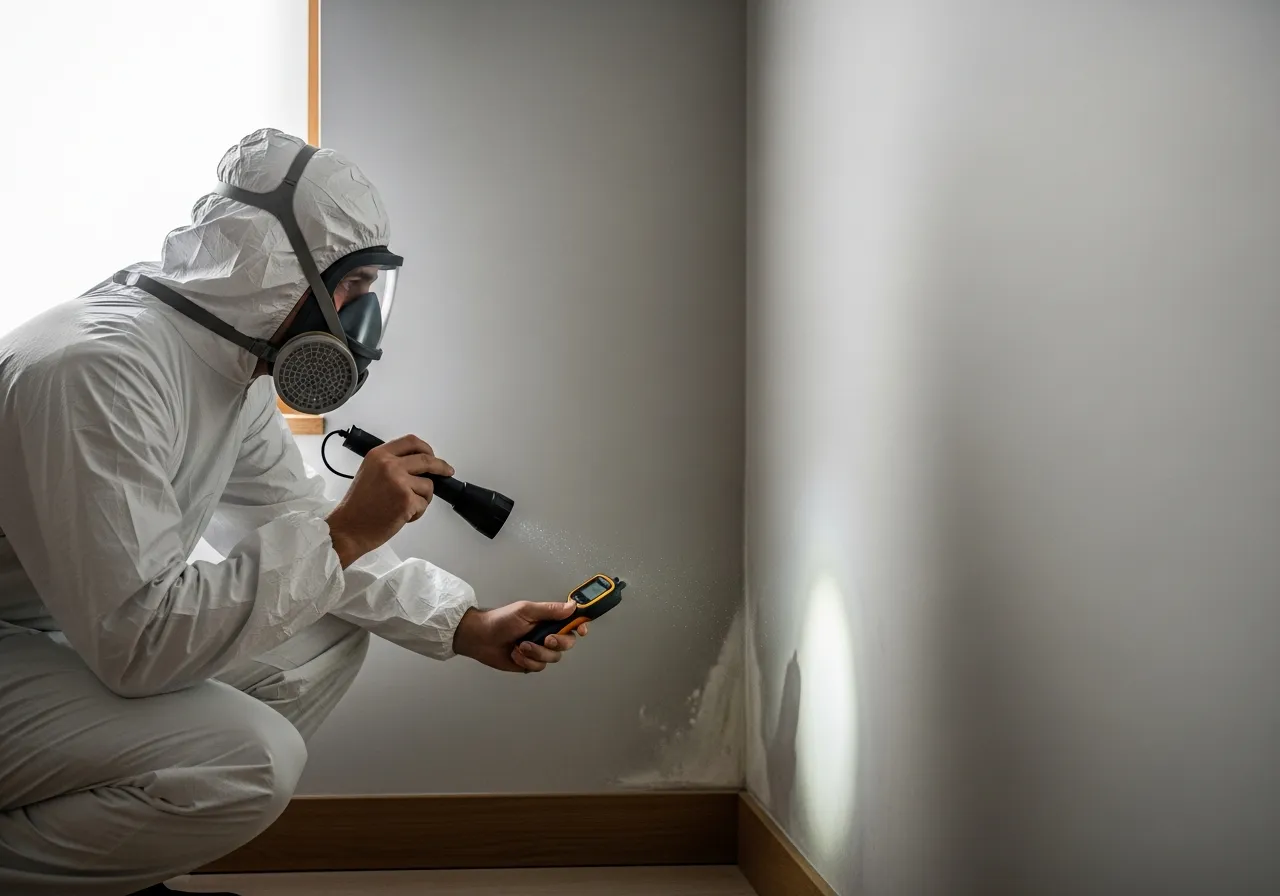
Mold Inspection
Comprehensive visual and technical assessment for residential and commercial properties.
Learn more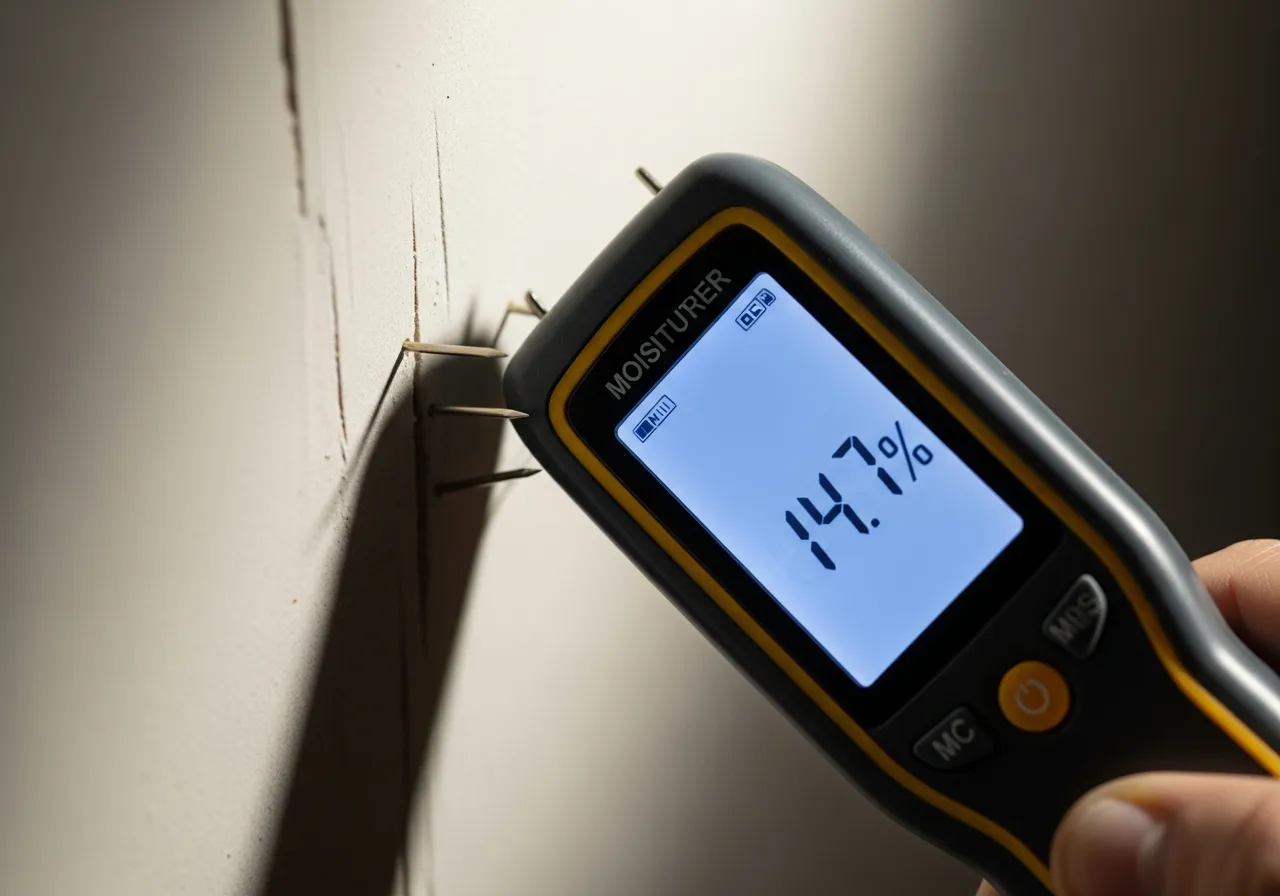
Moisture Detection
Advanced thermal imaging to locate hidden water intrusion and leak sources.
Learn more
Real Estate Services
Specialized inspections for escrow, pre-purchase, and post-remediation clearance.
Learn more
Commercial & Multi-Unit Inspection
Office buildings, retail, hospitality, and multifamily — building-wide moisture and microbial assessment.
Learn more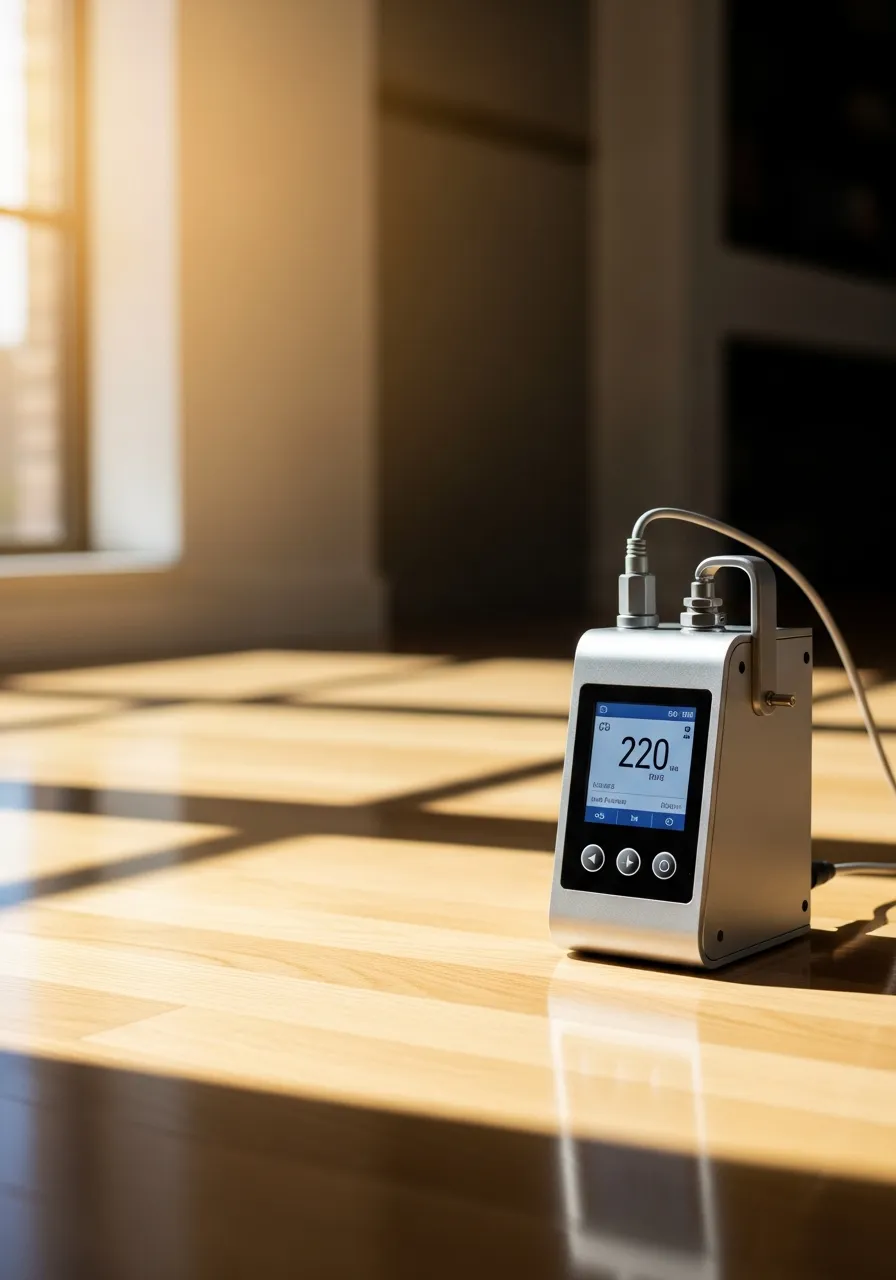
HVAC & Ductwork Inspection
Evaporator-coil, condensate-pan, and duct-interior assessment — the most common indoor air quality complaint we investigate.
Learn moreMold inspection in Mid-City — FAQ